TL;DR
A sewage smell in the bathroom almost always means sewer gas is escaping somewhere it shouldn’t. The four usual causes are a dry trap in a sink, shower or floor drain that isn’t used often enough; a blocked or damaged vent stack that stops the drainage system breathing properly; a cracked waste or soil pipe letting gas out before it reaches the vent; or biofilm — the organic buildup inside pipework that smells as it breaks down. Because the smell alone won’t tell you which one you’ve got, working through the checks below first will save time, and you can get in touch online if it doesn’t clear up.
A dry trap
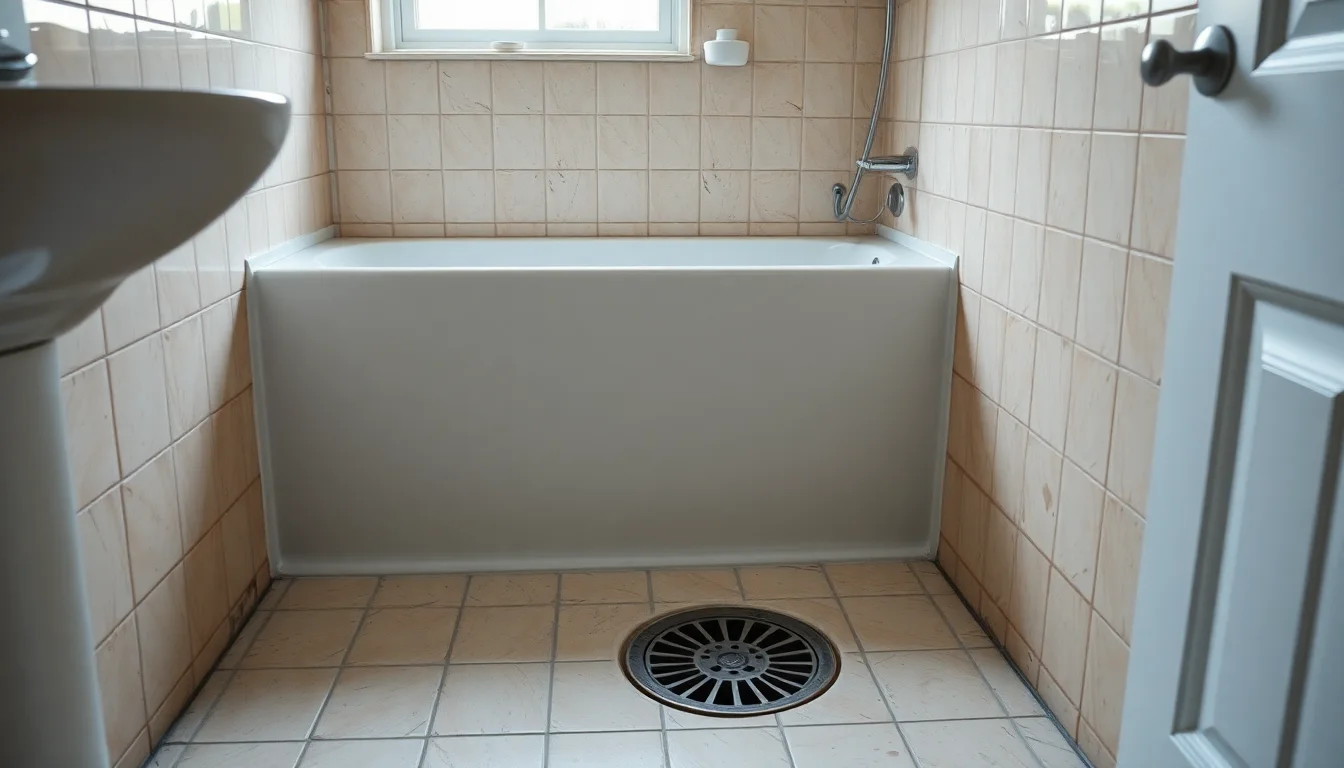
Every sink, shower and floor drain has a trap — the U-shaped bend in the pipe underneath that holds a small amount of water permanently. That water is what seals off sewer gas from the room above; without it, gas has a direct route back up into your bathroom. In a fixture that isn’t used often — a guest bathroom, a rarely-used floor drain, or a shower in a spare room — that water can simply evaporate over time, breaking the seal.
This is usually the easiest cause to identify and the easiest to fix: the smell tends to be worse first thing in the morning or after the bathroom’s been empty for a day or two, and it often eases noticeably after you run the tap or shower for a few seconds. If running water clears it and the smell comes straight back within a day or so, that fixture is drying out faster than it should, which is worth mentioning if you book a bathroom plumbing visit.
A blocked or faulty vent stack
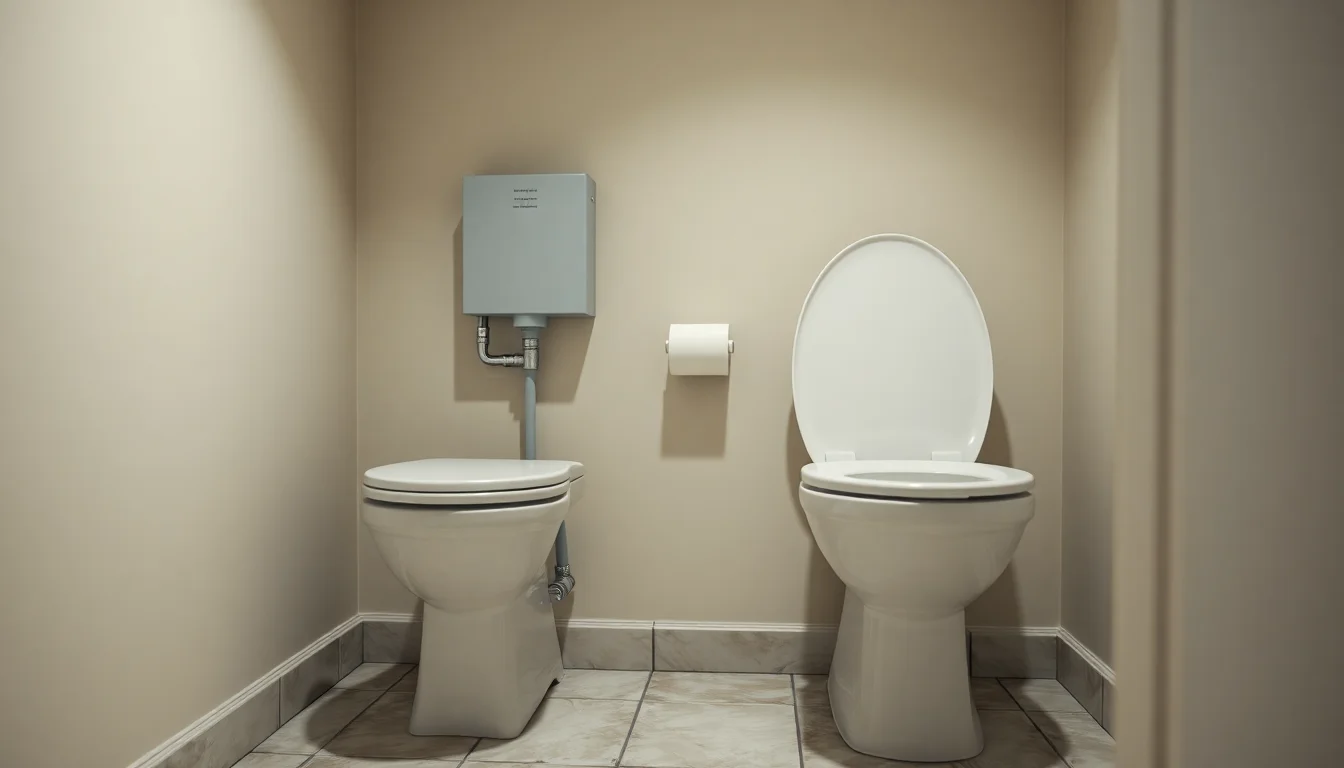
The vent stack — sometimes called the soil vent pipe — is the pipe that runs up through the building and out above roof level, letting air into the drainage system so water can flow freely without siphoning water out of every trap as it goes. If the top of that vent gets blocked by leaves, debris, or in cold weather even ice, or if the pipe itself has cracked somewhere along its run, the system stops breathing properly. That pressure imbalance can pull water straight out of nearby traps, which has the same effect as a trap drying out on its own — except it tends to affect more than one fixture at once.
The tell here is usually gurgling from more than one drain when water runs elsewhere in the house — the toilet gurgling when the shower’s running, for instance — plus a smell that seems to come and go with how hard several fixtures are being used together. This is worth bearing in mind specifically in Brighton and Hove’s converted Regency and Victorian terraces, where several flats often still share a single original vent stack running through the building — a vent problem on one floor can sometimes show up as a smell in the flat above or below rather than where the actual fault is. Because the vent typically terminates above roof level, clearing or repairing it isn’t a DIY job for most people, and it’s sensible to have someone check it properly rather than guess from ground level.
A cracked or damaged pipe
Waste and soil pipes can crack over time from ground movement, general age, freeze-thaw cycles in cold spells, or accidental damage during other work in the property. A crack anywhere upstream of the vent gives sewer gas an escape route before it ever reaches the outside air, which can produce a smell inside the bathroom even when every trap in the room is holding water perfectly normally.
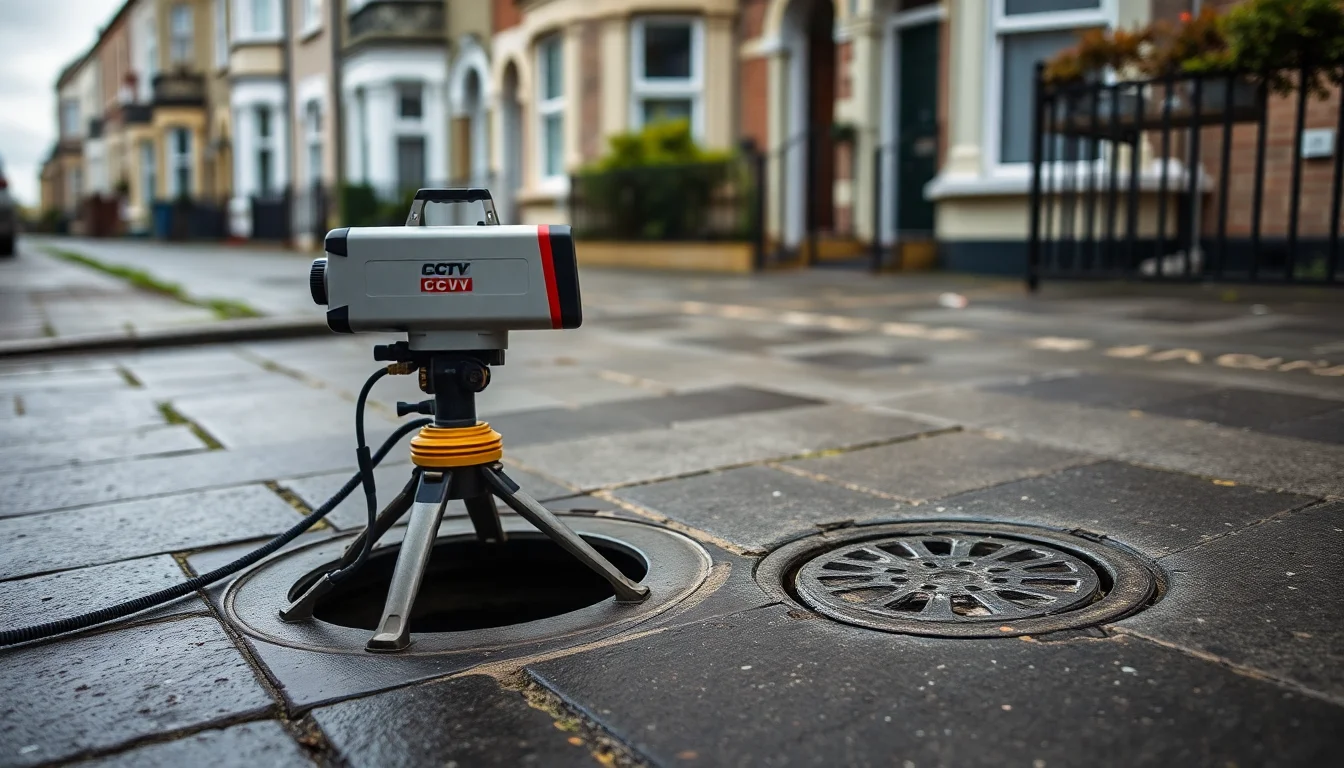
This one’s harder to spot from the smell alone. Look for damp patches on a nearby wall or ceiling, any mould appearing where there wasn’t any before, or a smell that comes and goes without an obvious pattern tied to how the bathroom’s being used. Finding the exact point of a crack usually means a proper look at the pipework — often with a CCTV drain survey — rather than guesswork, since the affected section could be anywhere along the run.
Biofilm and organic buildup
Inside almost every drain pipe, a thin layer of biofilm builds up over time — a mix of soap scum, hair, and general organic residue that clings to the inside of the pipe wall, particularly anywhere water tends to sit rather than flow straight through. As it breaks down, it can produce a smell that’s very close to sewage, even though nothing is technically wrong with the trap, vent or pipe itself.
This tends to show up strongest right at the plughole or overflow, sometimes with slow drainage or a faint gurgle as water pushes past the buildup. Unlike a dry trap, running more water through it doesn’t shift the smell, because the source is coating the inside of the pipe rather than sitting in a gap. Clearing it properly usually needs mechanical clearance — jetting or a drain auger — rather than a bottle of shop-bought treatment, especially if it’s built up over a long period.
Finding the actual cause
The problem with a sewage smell is that all four of these causes can produce something close to the same result, and more than one can be happening at once — a dry trap somewhere and a struggling vent, for instance. Treating the wrong one first, like re-sealing a trap when the real issue is a cracked pipe further along, wastes time and doesn’t fix anything.
This is exactly the situation a CCTV drain survey is designed for: a waterproof camera fed through the pipework shows directly whether a trap’s holding water, whether the vent’s clear, whether there’s a crack or a corroded joint, or whether biofilm has built up enough to be the culprit. Once that’s confirmed, the actual fix — topping up a trap, clearing a vent, repairing a pipe, or a proper drain clean — can be booked with some confidence, rather than working through the list by trial and error. If persistent smells keep coming back despite the obvious checks, or if you’re dealing with more than one blocked drain symptom at once, get in touch online and we’ll help narrow it down.
Frequently Asked Questions
Why does my bathroom only smell of sewage sometimes, not all the time? An intermittent smell often points to a dry trap that’s topped up again after you last ran the tap, or a vent issue that only causes a pressure imbalance when several fixtures are used together. A constant smell is more likely to mean a cracked pipe or established biofilm.
Will bleach or a drain cleaner get rid of a sewage smell? It might mask biofilm-related odours briefly, but it won’t fix a dry trap, a blocked vent, or a cracked pipe, and repeated use of harsh chemical cleaners isn’t good for older pipework. If the smell keeps returning, it’s worth finding the actual cause rather than repeatedly treating the symptom.
Is a sewage smell in the bathroom dangerous? Sewer gas is unpleasant and can include small amounts of substances like hydrogen sulphide, so a persistent smell is worth dealing with rather than ignoring, particularly in a small, poorly ventilated bathroom. It’s not usually a reason to leave the property, but it shouldn’t be left unresolved for weeks either.
Why does only one bathroom in the house smell, when there are two? That’s actually a useful clue — it suggests the cause is local to that bathroom’s own trap, vent connection or pipe run, rather than a shared vent stack or main soil pipe issue affecting the whole property.
Can a rarely-used guest bathroom cause a smell in a different room? Yes, particularly if they share a vent stack. A dried-out trap in an unused bathroom can let gas into the system that then finds its way out at a different, more frequently used fixture instead.