TL;DR
A gully that backs up, or standing water appearing after heavy rain, in a basement or lower-ground Brighton flat usually means the drainage system is being overwhelmed — by a blockage, by water being pushed back from a surcharged public sewer, or by a pump or macerator that can’t keep pace. Because these flats sit below street level, they’re structurally more exposed to this than an upstairs flat ever is. If you’re seeing either sign, get in touch online and we’ll talk through what’s actually happening before it gets worse.
Reading the early signs
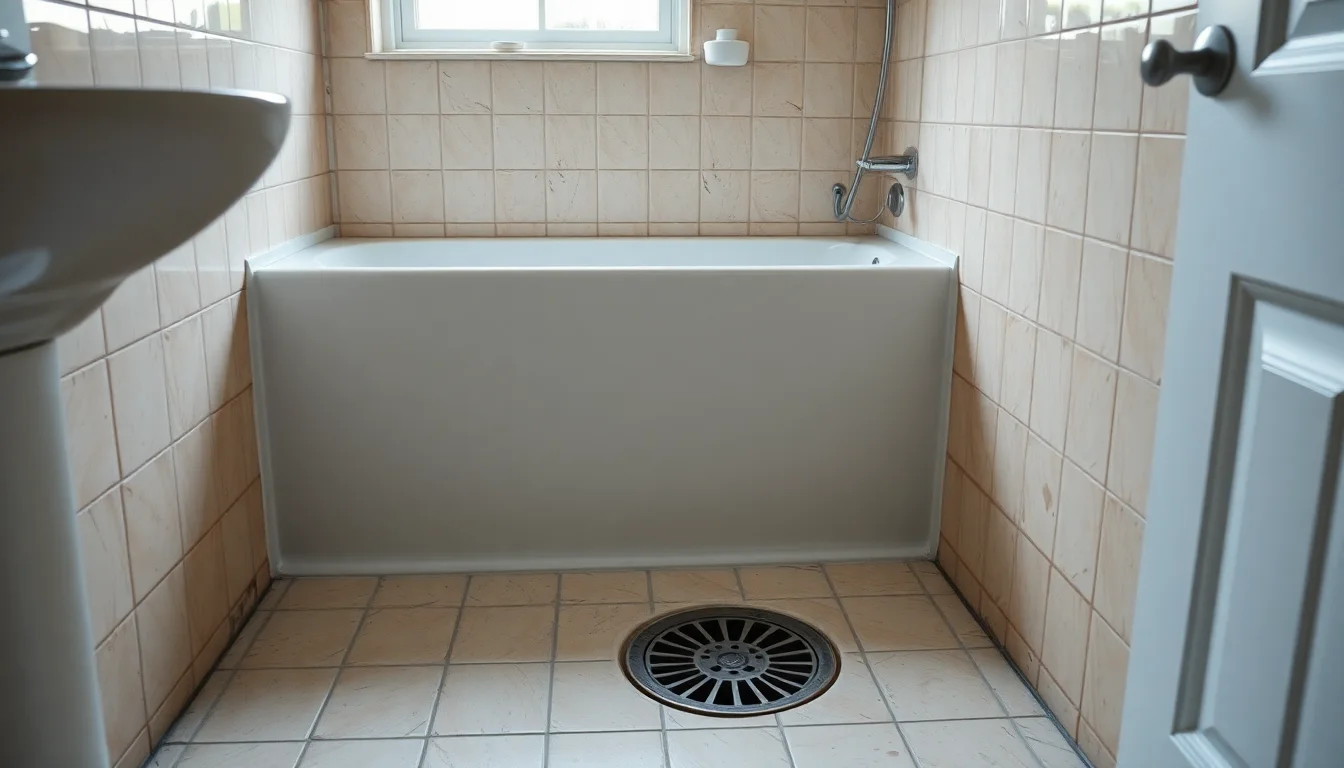
A slow-draining gully, a shower tray that won’t clear, or a gurgling waste pipe after rain are the first things worth paying attention to — not because they’re dramatic, but because in a below-street-level flat they tend to be the earliest warning of a system reaching its limit rather than a one-off. Standing water in a basement lightwell, or water appearing at a floor drain with nothing obviously being run into it, points the same way. If it’s genuinely just one fixture and clears with normal rodding, it may be an ordinary blocked drain rather than anything structural — but left alone, a pattern that keeps repeating after rain doesn’t tend to resolve itself; it tends to come back worse the next time.
Why below-street-level Brighton flats are more exposed
Brighton and Hove has a large stock of Regency and Victorian terraces converted into flats, and in a good number of these conversions the basement or lower-ground rooms sit below the level of the public sewer running in the street. Two separate things make that a problem.
First, during sustained or heavy rain, the public sewer network can fill close to capacity, and the water level inside it rises. If a property’s own drain connection sits below that rising level, gravity effectively works in reverse for a while, pushing water back up towards the property instead of away from it — a condition generally described as a sewer surcharge or backflow. It doesn’t take flooding in the street for this to happen; a sustained downpour is often enough on its own.
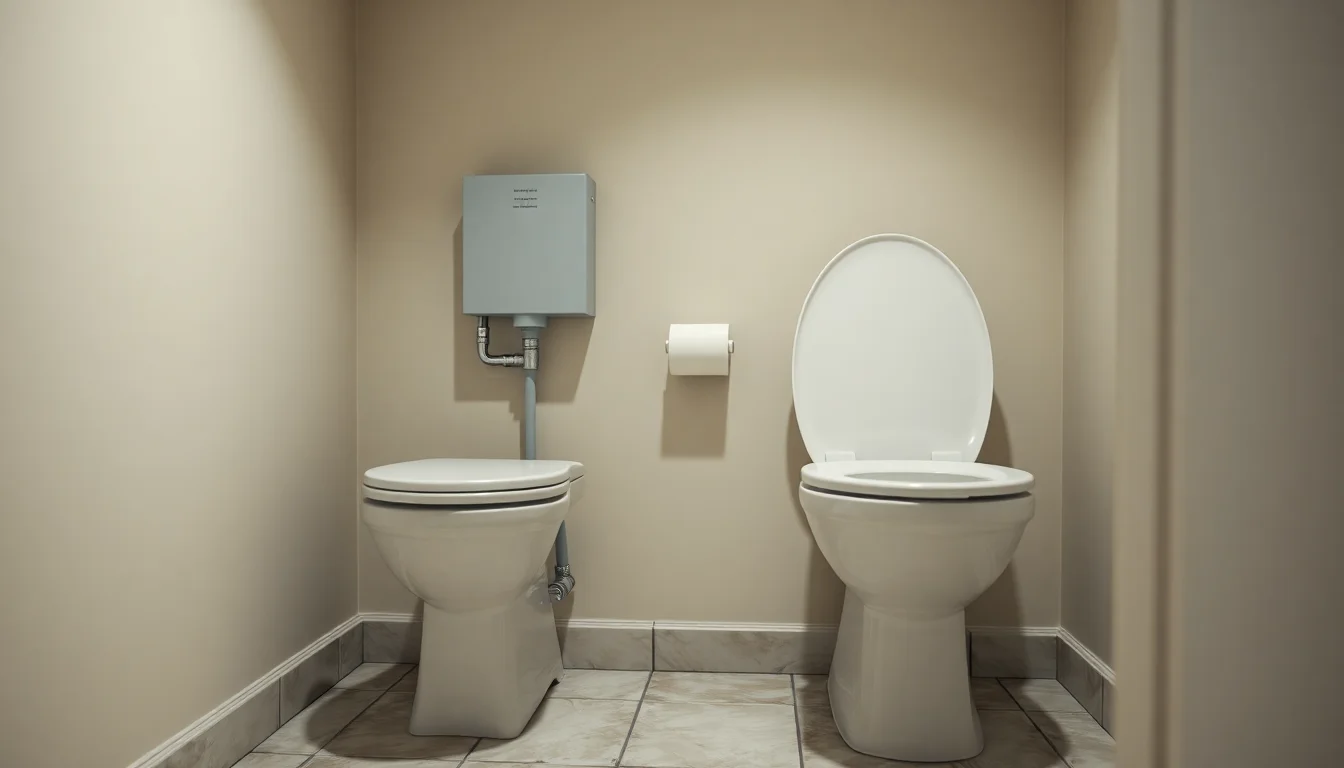
Second, a lot of these same flats rely on a pumped or macerated waste system — a Saniflo-type unit — to lift wastewater up to street level in the first place, because gravity drainage was never physically possible in the layout. That’s a sound piece of engineering for a genuinely difficult retrofit, but it also introduces a mechanical point of failure: a stalled pump, a jammed macerator, or a power cut can all stop wastewater moving at exactly the moment a heavy downpour is putting extra pressure on the wider system.
Non-return valves and CCTV diagnosis as prevention
Two things are worth knowing about here, without either being a guarantee against flooding. A non-return valve — sometimes called an anti-flood valve — can be fitted on a drain run to allow water to flow outward as normal but close if pressure reverses, which is a recognised way of reducing the risk of a surcharged sewer pushing water back into a property. It isn’t infallible: an especially severe surcharge can still exceed what any valve is designed to hold back, and a valve that’s itself become blocked can cause its own problems, so it’s one part of managing risk rather than a fix on its own.
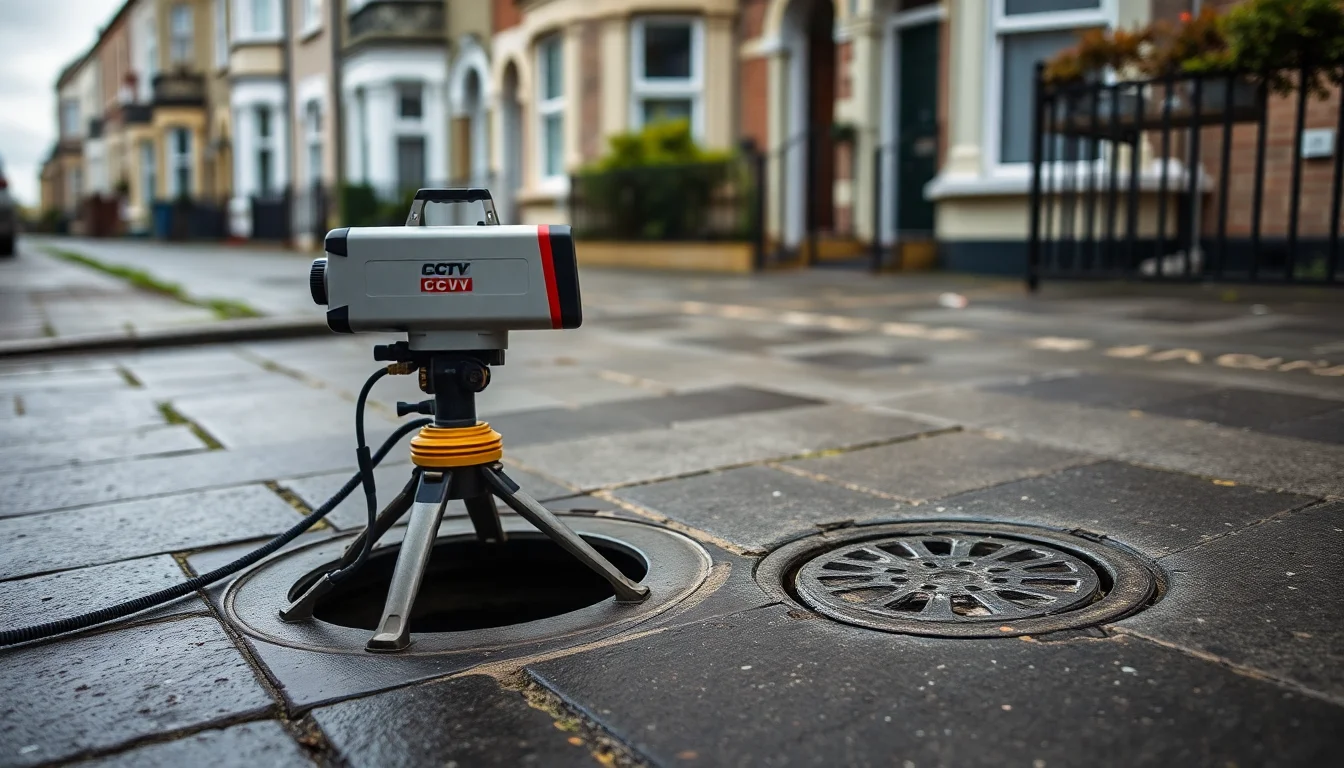
A CCTV drain survey is the other half of the picture. Feeding a camera through the drain run serving a basement flat can show whether there’s a partial blockage, root ingress, or a structural defect narrowing the pipe and making a bad situation worse than it needs to be — something worth knowing before, not after, the next heavy rainfall.
The landlord and managing-agent angle
Basement and lower-ground flats make up a meaningful share of Brighton and Hove’s rental stock, and this is exactly the kind of issue that’s cheaper to get ahead of than to deal with after a tenant’s called about water on the floor. If a property relies on a pumped or macerated system, it’s worth keeping a simple record of when it was last checked, and making sure tenants know not to flush anything beyond human waste and toilet paper — wipes and sanitary items are a common cause of a macerator jamming at the worst possible moment.
Where a single drainage run serves several flats in a converted building, a periodic CCTV survey of the shared pipework is worth considering, since a developing restriction in a run serving multiple properties tends to affect everyone at once rather than a single tenant. For portfolios or managed blocks, our landlord plumbing service covers this kind of routine check alongside reactive repairs, and we’re used to coordinating access and reporting back to an agent rather than just the resident on site.
What to do if it’s happening now
Stop using any fixture connected to the affected drain or macerator until the immediate cause is understood — continuing to flush or run water into a system that’s already backing up usually makes the mess worse, not better. Note when it started, whether it followed heavy rain, and whether it’s a single fixture or several draining slowly at once, since that detail helps us prioritise the visit and bring the right equipment first time. If you’re dealing with this in a flat in Preston Park, Portslade or anywhere else across Brighton and Hove, get in touch online with those details and we’ll take it from there.
Frequently Asked Questions
Why does my basement flat flood when it rains heavily, even though nothing’s blocked? If the drain connection sits below the level of the public sewer, a sustained downpour can raise the water level inside the sewer network to the point where it pushes back rather than draining away — a surcharge — regardless of whether your own pipework is clear. It’s a structural exposure of below-street-level flats rather than a fault as such.
Does a non-return valve guarantee my basement flat won’t flood? No. It reduces the risk by closing when pressure reverses, but an especially severe surcharge can still exceed what any valve is designed to hold, and a valve that’s become blocked can cause problems of its own. It’s one part of a wider approach, not a standalone guarantee.
Is this the landlord’s responsibility or the tenant’s? Where the cause is the age, condition or design of the drainage or pump system itself, that’s ordinarily a landlord’s repairing responsibility. Where it’s caused by what’s been flushed or put down a drain, that leans towards tenant misuse — either way, it’s worth investigating promptly rather than assuming, since the two causes need different fixes.
Can a CCTV survey help even if the flooding seems weather-related rather than a blockage? Yes. A survey can rule out — or confirm — whether a partial blockage, root ingress or a structural defect is making a weather-related backflow worse than it needs to be, which matters for deciding what’s actually worth fixing.