TL;DR
A Saniflo or macerator unit that hums but won’t clear, trips the power, or shows no sign of life at all is almost always down to one of three things: a blockage inside the cutting chamber, an electrical fault, or internal wear on the motor, blades or seal. A few checks are safe to do yourself, but once you’re into the motor, wiring or pump seal, it’s an engineer’s job. If your unit’s misbehaving, get in touch online and describe what you’re seeing — the symptom usually tells us most of what we need to know before we arrive.
Decoding the symptoms
Humming, but nothing’s actually flushing. This usually means the motor has power and is trying to turn, but the cutting blades are jammed — often by something that shouldn’t have gone down the toilet in the first place, like a wipe, a sanitary item, or a build-up of limescale in the chamber. The motor keeps drawing current and making noise, but without the blades turning freely, there’s nothing to generate the pressure needed to push waste up and out.
The unit trips itself, or takes the circuit with it. A macerator that repeatedly trips its own overload switch, or the household breaker, is drawing more current than it should — usually because the impeller has seized, there’s a fault in the wiring, or a failing capacitor can’t give the motor the boost it needs to start. Resetting the breaker once is fine; if it trips again immediately, leave it off rather than repeating the cycle, since forcing it can cook the motor.
No hum, no lights, nothing. Here the first thing to rule out is simply the power supply — a tripped breaker, a blown fuse, or a plug that’s come loose. If power is confirmed and the unit is still silent, the fault has likely moved into the motor windings, the pump seal or the control board, and that’s genuinely a job for someone who can test it properly.
Why so many Brighton flats depend on one of these units
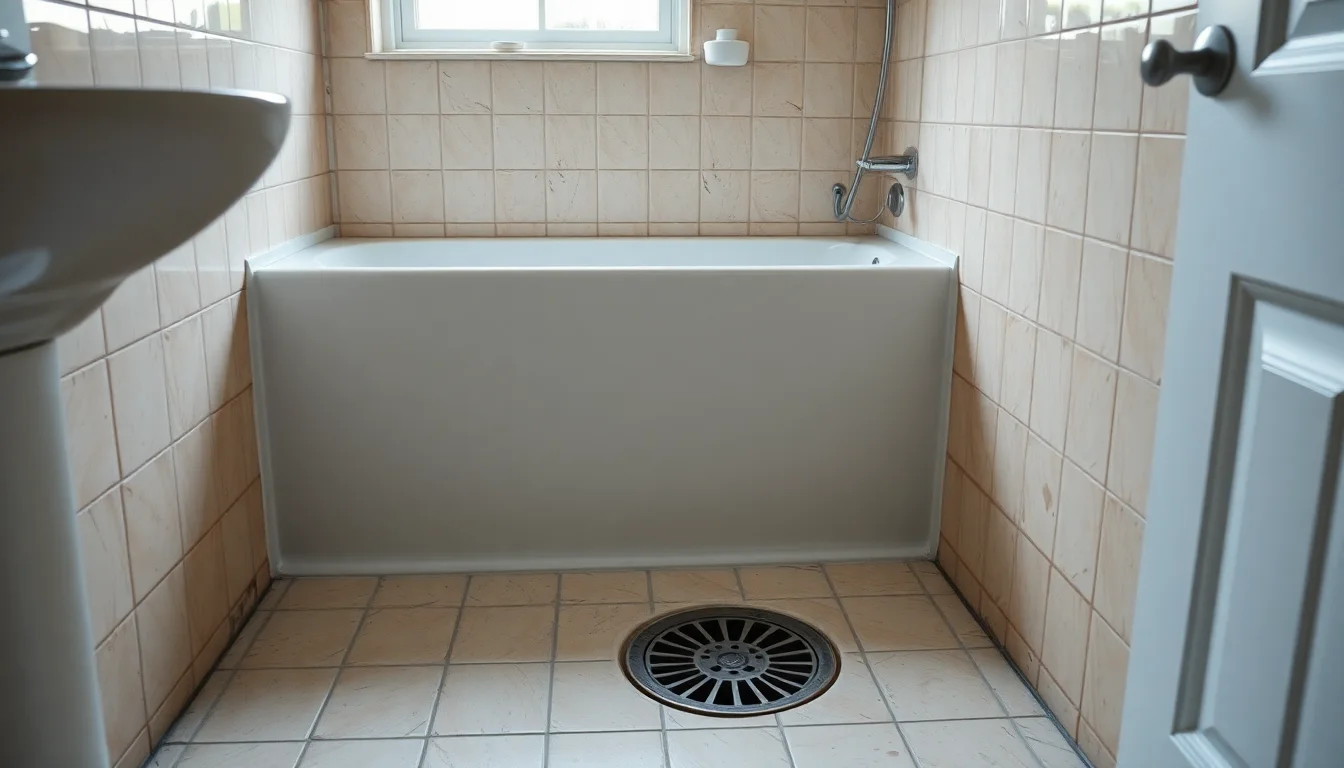
Much of Brighton’s housing stock is Regency and Victorian terraces that have been converted into flats over the decades, and in a lot of these buildings the original soil stack only ever ran from street level upward. Turn a basement or lower-ground space in Kemptown, Hove or one of the seafront squares into a self-contained flat, and there’s often no fall left for a conventional gravity-fed waste pipe to reach the main drain — and cutting through joists or lowering floors to create one usually isn’t practical, especially in a listed or period building.
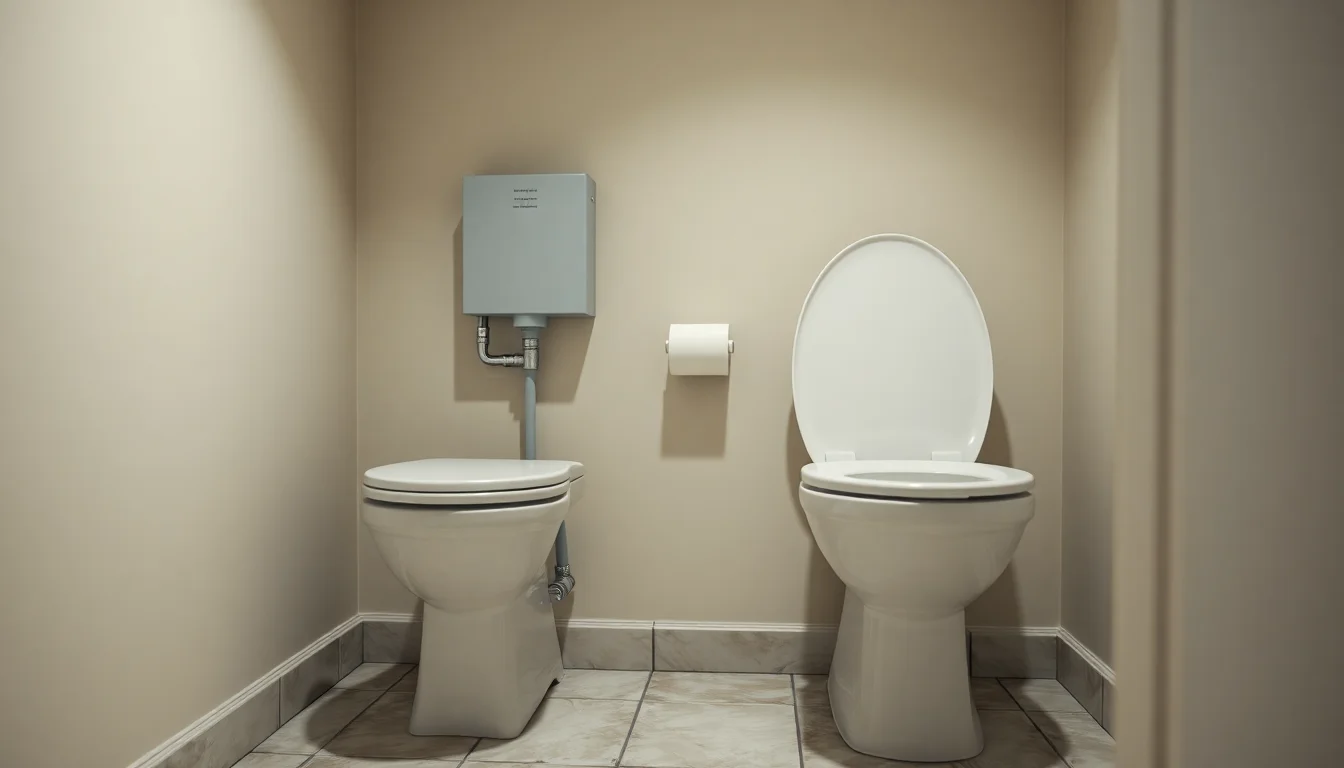
A Saniflo-type macerator solves that by grinding waste into a slurry and pumping it up through a narrow pipe to the nearest soil stack, which is exactly why it doesn’t need a steep fall to work. That’s a genuinely useful bit of engineering for a tight retrofit, but it also means a basement flat’s entire bathroom is dependent on one mechanical unit rather than gravity — when it fails, there’s no fallback.
What’s safe to check yourself
Before anything gets opened up, a few checks are reasonable for most people to do without touching live components or the cutting chamber itself:
- Check the power. Confirm the unit is plugged in, or the spur switch is on, and look at the consumer unit for a tripped breaker. Reset it once — if it trips straight back off, stop and leave it off.
- Listen. A steady hum means the motor has power; silence points back to the power supply. Grinding or rattling suggests something solid is catching on the blades.
- Look for an obvious blockage at the inlet, such as visible tissue or a wipe, without putting your hand inside the macerator chamber itself.
- Check the small air vent isn’t blocked with dust or debris — a blocked vent can stop the pump discharging even when the motor’s running fine.
- Look for water pooling around the base of the unit, which can point to a failing seal — note it, but don’t try to dismantle the pump.
If clearing an obvious, visible obstruction fixes it, test the flush again. If the fault persists, or there’s tripping, a burning smell, or a leak, stop there.
When it needs an engineer
Some faults are beyond what’s sensible to tackle yourself, and pushing on with a jammed or tripping unit tends to turn a repair into a replacement:
- Jammed blades or a burnt-out motor — grinding that doesn’t clear once obvious debris is removed usually means hardened material inside the chamber, or damage to the motor windings themselves.
- A failing pump seal — persistent water around the base, especially when the unit isn’t running, points to a worn seal; continuing to use it risks water reaching the motor.
- Electrical faults — repeated tripping, a burning smell, or visible scorch marks need proper diagnosis and a qualified engineer, not repeated resets.
- Control board or sensor faults — newer units with electronic overload or blockage sensors can behave erratically when a sensor or board starts to fail, and need proper diagnostics rather than guesswork.
- Pipework or venting problems — an undersized discharge pipe, too many tight bends, or a blocked vent can overload an otherwise healthy unit repeatedly, which is a plumbing fix rather than a macerator fault as such.
Looking after the unit day to day
Most recurring macerator faults trace back to what’s gone down the toilet rather than a fault with the unit itself. Flushing only human waste and toilet paper — not wipes, sanitary items, cotton buds or dental floss, "flushable" or otherwise — is the single biggest factor in avoiding a jammed chamber. Pouring fat or food waste down a connected toilet causes the same problem over time. Keeping the small vent clear of dust and debris, and having a unit checked over occasionally rather than only once it’s already failed, both help avoid the humming, tripping or silent unit turning into an emergency with no working toilet in the flat.
Frequently Asked Questions
Can I keep using the toilet while the macerator is broken? No — avoid flushing or running water into anything connected to the unit. A failed macerator can back up into the shower tray or toilet pan rather than clearing, which makes a bad situation worse, much like continuing to flush a blocked toilet that’s already overflowing.
Is it better to repair or replace a failed Saniflo unit? It depends on the age of the unit and the actual fault. Things like a worn membrane, a failed micro-switch, a tired non-return valve or general limescale are usually worth repairing. A unit with a burnt-out motor or a cracked casing near the end of its working life is often better replaced — we’ll explain both options clearly before any work starts.
Why does my macerator keep jamming even though I’m careful what I flush? If you’re confident nothing unusual has gone down the toilet, a recurring jam can point to limescale build-up in the chamber, a worn cutting mechanism, or a partially blocked discharge pipe restricting flow. Worth having it looked at properly rather than repeatedly clearing it yourself.