TL;DR
Most blocked outside drains in Brighton start with leaves, silt, grit or cooking fat sitting in the gully trap, and a careful going-over with a stiff brush or a set of drain rods clears the majority of them. Never force rods against firm resistance, and don't tip anything down a gully that you wouldn't pour down a kitchen sink. If more than one gully backs up at once, or water starts coming up indoors as well as outside, stop — that points to the shared pipework rather than a single blocked trap. Not sure which one you're dealing with? Request a quote online and describe what you're seeing; we'll tell you what it sounds like before anyone visits.
What an Overflowing Gully Is Actually Telling You
The small grated gully outside the back door, under a downpipe, or beside the kitchen window is where wastewater and rainwater join the underground drain run. When it's slow to drain, or standing water sits above the grate after rain has stopped, the blockage is almost always in the trap directly below — a pocket of leaves, silt, moss, grit blown off a downland verge, or fat that's set hard after going down a nearby sink.
A gurgle from an indoor sink, bath or toilet when the outside gully is also slow is a useful extra clue. It usually means air is being pushed back up the pipe as water tries to get past a restriction, which tells you the blockage sits between the gully and the point where that branch joins the main run — not simply "a dirty gully."
Clearing It Safely, Step by Step
Start by lifting the gully grate and clearing anything sitting in the trap by hand, wearing gloves. A lot of blockages are solved at this point — Brighton's coastal gullies collect an unusual amount of wind-blown debris compared with more sheltered towns.
If the trap is clear but water still won't drain away, a stiff drain brush or a short set of hand rods worked gently into the pipe beneath the trap will usually shift a soft blockage. Feed the rods in with a steady turning motion rather than pushing hard — you're trying to work through the blockage, not punch a hole in old pipework. If you feel firm, immovable resistance, stop. That's more likely a displaced joint, a root, or a genuine collapse than something you should keep forcing.
Avoid pouring boiling water, caustic soda or shop-bought chemical drain cleaners down an outside gully. On older glazed clay or cast-iron pipework, common across Brighton and Hove's Victorian terraces, sudden heat or strong chemicals can do more harm than the blockage itself, and they rarely clear anything beyond the first metre of pipe.
Why Brighton Gullies Block More Than You'd Expect
Two local factors make outside drains here block more often than average. The first is straightforward: a seafront and clifftop town collects more wind-carried leaf litter, grit and salt residue in open gullies than an inland site would, and that debris settles fastest in the trap right where the pipe changes direction. The second is geological — much of Brighton and Hove sits on chalk downland, and after heavy rain, surface run-off carrying fine chalk silt can find its way into older drain runs, gradually narrowing pipework that was never generously sized to begin with.
Regency-era terraces and converted basement flats add a third factor: shared Victorian drainage. Several properties can share one drain run down to the boundary, so a blockage that looks like "my gully" may actually belong to next door as well, and clearing your own trap won't fix it if the shared pipe further along is restricted.
When to Stop and Get It Looked At
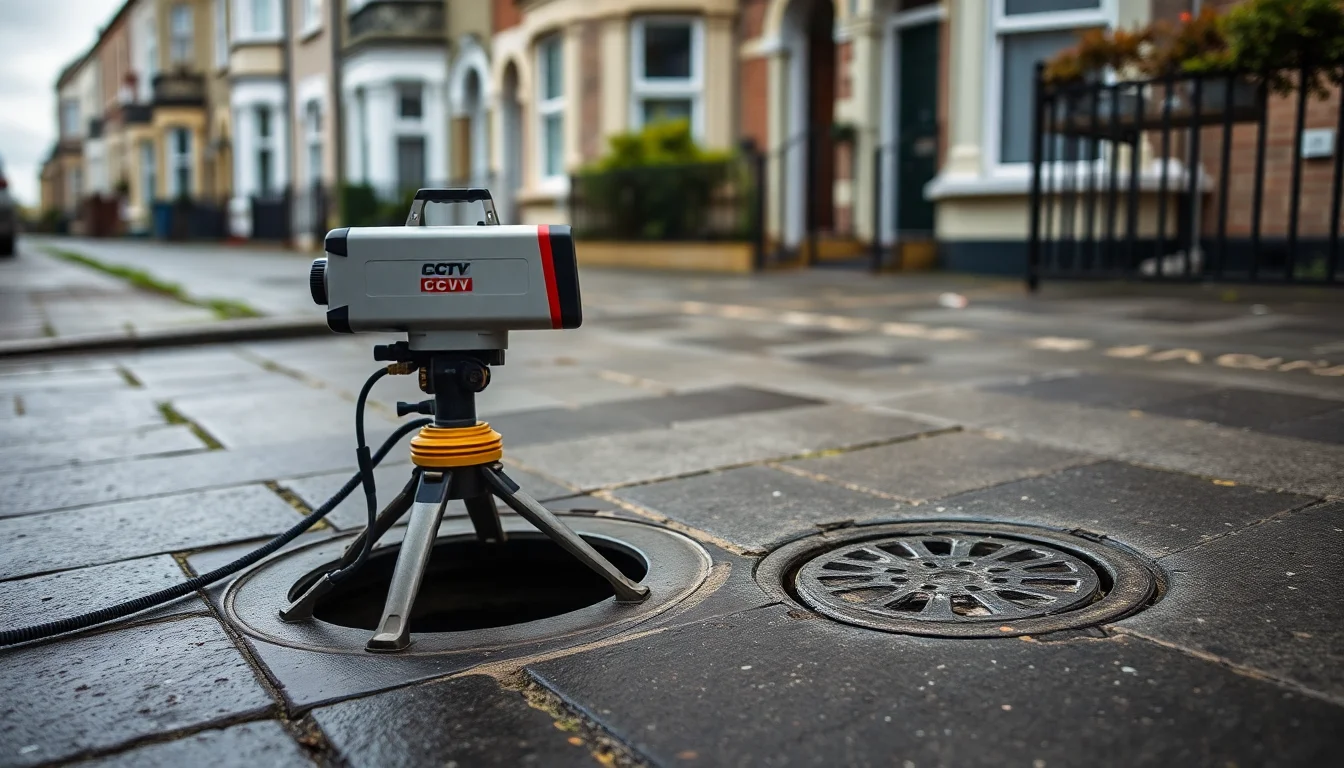
Stop DIY clearing and get the drain properly assessed if: more than one gully or fixture is affected at the same time; the blockage comes back within days of clearing it; there's a smell of sewage rather than stagnant water; or rodding meets solid resistance you can't work past. Any of these point to a problem beyond a single trap — possibly a blocked drain further down the run, a cracked or displaced section of pipe, or the boundary with Southern Water's adopted public sewer, where responsibility for repair changes hands. A CCTV drain survey is the reliable way to see what's actually happening underground rather than guessing from the surface.
If the outside blockage has also caused a toilet or bathroom fixture to back up indoors, treat that as the more urgent problem — see our guide to a blocked toilet for what to do (and avoid) while you wait.
FAQs
Can I use a chemical drain cleaner on an outside gully? We'd avoid it. Chemical cleaners are made for indoor waste pipes, not open gullies, and on older Brighton pipework they can damage seals and joints without reliably clearing the blockage.
How do I know if it's my drain or a shared one? If a neighbour's gully backs up at the same time as yours, or the blockage sits past the point where two properties' pipes join, it's likely shared. A CCTV survey can trace exactly where the run belongs to you and where it becomes a shared or adopted sewer.
Is it safe to keep rodding if I meet resistance? No — stop. Firm resistance that doesn't give with gentle, steady pressure usually means something structural (a root, a joint, a collapse) rather than loose debris, and forcing it can turn a clearable blockage into a repair job.
Who's responsible for the drain once it leaves my property? Southern Water is the sewerage authority for Brighton and Hove, and takes over responsibility once a private drain joins the public, adopted sewer network. Where that boundary sits varies by property, which is part of what a drain survey establishes.
If your outside drain keeps blocking, backs up indoors, or you'd rather not guess at what's underground, request a quote online and tell us what you've noticed. We also cover outside drain and gully problems for homes in Lancing, just along the coast from Brighton and Hove.